
Reimagining your kitchen needn't be a daunting endeavour, particularly when you draw inspiration from the sun-drenched landscapes and vibrant culinary traditions of Spain. Whether you're planning a full-scale renovation or simply seeking to refresh your cooking space with a few carefully chosen touches, combining thoughtful design elements with an appreciation for authentic Mediterranean cuisine can transform your home into a place of warmth, creativity, and genuine hospitality. By weaving together practical improvements and a passion for delicious Spanish recipes, you'll create an environment that not only looks the part but also invites you to experiment with flavours and techniques that have delighted generations.
Transforming your kitchen space with mediterranean-inspired design elements
Embracing a Spanish-style kitchen involves more than simply selecting a colour palette or installing a few decorative tiles. It's about creating an atmosphere that feels both inviting and authentic, where every surface and fixture contributes to a sense of timeless elegance. The key lies in balancing traditional craftsmanship with modern functionality, ensuring that your space remains practical for everyday cooking whilst exuding the charm of a rustic farmhouse or a grand coastal villa.
Incorporating warm terracotta tiles and rustic wooden accents
One of the most effective ways to introduce a distinctly Spanish character into your kitchen is through the use of terracotta tiles. These earthy tones, ranging from soft ochre to deep burnt orange, immediately evoke the sun-baked landscapes of Andalusia and the Balearic Islands. When laid across floors or featured as splashbacks, terracotta tiles bring warmth and texture, forming a natural backdrop that pairs beautifully with both traditional and contemporary cabinetry. For those concerned about maintenance, sealing the surfaces properly ensures longevity and reduces the risk of staining, making them a practical choice for busy households.
Complementing these tiles with rustic wooden accents can further enhance the Mediterranean aesthetic. Exposed beams, open shelving crafted from reclaimed timber, and solid wood worktops all contribute to a sense of heritage and authenticity. The interplay between the warmth of wood and the earthiness of terracotta creates a visual harmony that feels both grounded and inviting. If you're working with limited space, consider using lighter woods or opting for open shelving rather than bulky upper cabinets. This approach not only maximises the sense of airiness but also allows you to display handcrafted ceramics, glassware, and other decorative pieces that nod to Spanish culture.
Adding hand-painted backsplashes featuring Talavera tiles introduces a splash of colour and artistry. These decorative tiles, often adorned with intricate geometric or floral patterns, serve as focal points that draw the eye and inject personality into the room. When balanced with neutral colours elsewhere, such as whitewashed walls or pale stone countertops, the vibrant hues of Talavera tiles stand out without overwhelming the space. Wrought iron features, from pot racks to cabinet handles, provide an additional layer of traditional charm, evoking the ironwork seen in Spanish courtyards and balconies.
Creating an Open-Plan Layout Perfect for Preparing Authentic Paella
An open-concept kitchen has become increasingly popular in contemporary home design, and it aligns beautifully with the Spanish tradition of communal cooking and dining. By removing barriers between the kitchen and adjacent living or dining areas, you foster a sense of togetherness that mirrors the convivial spirit of Spanish family gatherings. This layout not only makes it easier to entertain guests but also allows you to keep an eye on simmering pots and bubbling pans whilst mingling with loved ones.
For those passionate about preparing authentic paella, an open-plan kitchen offers distinct advantages. The dish, with its aromatic saffron-infused rice and medley of seafood or meats, benefits from constant attention and a spacious workspace. Installing a large island with a built-in hob or a dedicated paella burner ensures you have ample room to manoeuvre your wide, shallow pan whilst maintaining easy access to ingredients and utensils. The open layout also means that the enticing aromas wafting from your cooking can permeate the entire living area, whetting appetites and creating anticipation.
Incorporating minimalist design principles within an open-concept kitchen can help maintain a sense of calm and order. Sleek worktops made from polished stone or quartz contrast elegantly with traditional cabinetry, offering a modern twist on classic Spanish aesthetics. Custom cabinetry, such as that offered by specialists like George Cabinetry, allows you to tailor storage solutions to your specific needs, ensuring that every utensil, spice jar, and cooking implement has its place. This attention to detail not only enhances functionality but also contributes to a clutter-free environment where you can focus on perfecting delicious spanish recipes without distraction.
If your home includes outdoor space, consider extending your kitchen onto a patio or into a courtyard. Outdoor kitchens, equipped with treated wood and durable stone surfaces, are ideal for preparing and serving meals alfresco. The connection between indoor and outdoor cooking areas reflects the Spanish love of outdoor living and provides flexibility for hosting gatherings, whether you're grilling fresh fish or assembling a colourful spread of tapas.
Discovering traditional spanish dishes to complement your brilliant new cooking area
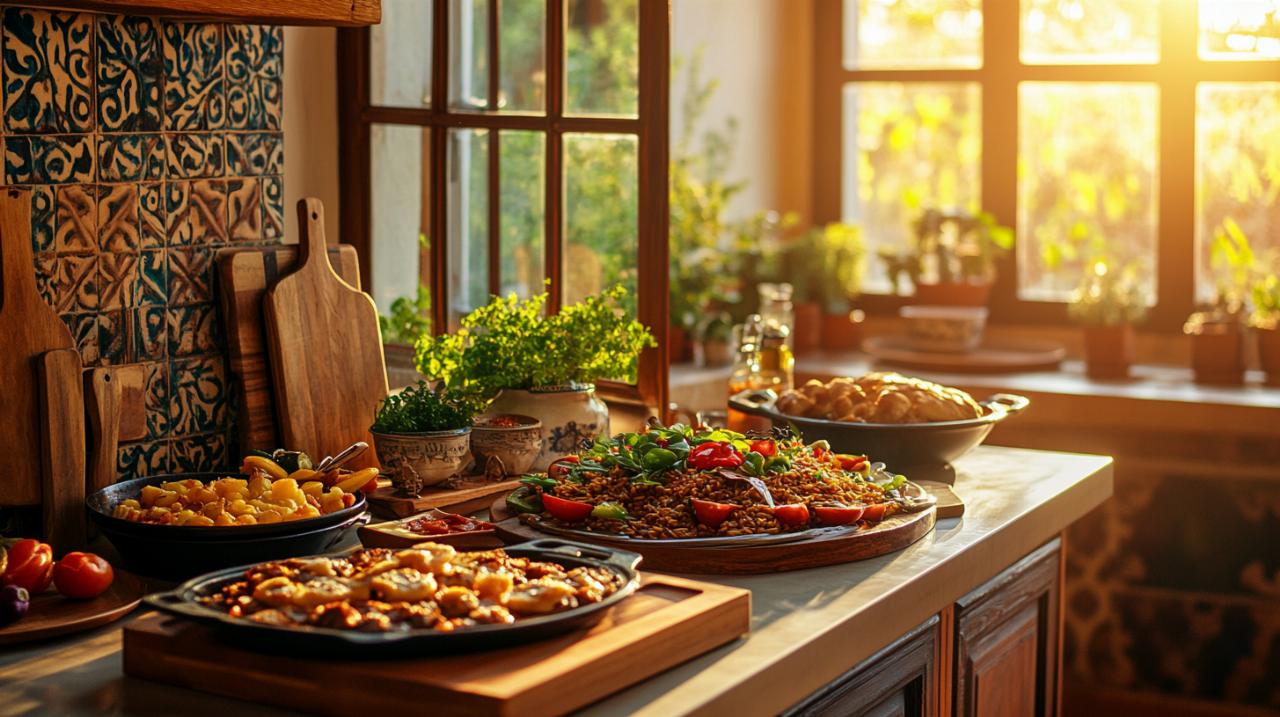
Once your kitchen redesign is complete, the true test lies in putting your new space to work. Exploring traditional Spanish cuisine offers a rewarding way to christen your refreshed cooking area, allowing you to experiment with bold flavours, fresh ingredients, and time-honoured techniques. From the bustling tapas bars of Madrid to the coastal kitchens of Valencia, Spanish cooking is characterised by its simplicity, reliance on quality produce, and an emphasis on sharing.
Mastering classic tapas recipes in your refreshed kitchen
Tapas, those small, flavourful dishes that encourage grazing and conversation, are a cornerstone of Spanish culinary culture. Preparing a selection of tapas at home not only showcases your new kitchen's capabilities but also invites guests to engage with your cooking in an interactive, convivial manner. Start with patatas bravas, crispy fried potatoes served with a spicy tomato sauce and creamy aioli. The dish requires precise temperature control for frying, making it an excellent opportunity to test your new hob or deep-fat fryer.
Another classic, gambas al ajillo, involves sizzling prawns in olive oil with garlic and a hint of chilli. The simplicity of the recipe belies its depth of flavour, and it's best prepared in a wide, shallow pan that allows the prawns to cook evenly. Your open shelving can display the rustic terracotta serving dishes in which you present these tapas, adding an authentic touch to your table. For a vegetarian option, consider preparing pimientos de Padrón, small green peppers blistered in a hot pan and finished with a sprinkle of sea salt. The occasional spicy pepper adds an element of surprise that guests often find delightful.
Croquetas, whether filled with jamón, bacalao, or wild mushrooms, require a bit more technique but are well worth the effort. The creamy béchamel interior contrasts beautifully with the golden, crunchy coating, and preparing them in your newly organised kitchen, with ample worktop space for rolling and breading, becomes a pleasure rather than a chore. By incorporating delicious Spanish recipes into your regular repertoire, you'll not only hone your culinary skills but also fully appreciate the thoughtful design choices you've made.
Preparing Flavourful Gazpacho and Tortilla Española with Proper Equipment
No exploration of Spanish cuisine would be complete without gazpacho and tortilla española, two dishes that exemplify the resourcefulness and elegance of Mediterranean cooking. Gazpacho, a chilled tomato soup blended with peppers, cucumber, garlic, and vinegar, is the epitome of refreshment on a warm day. The dish relies on a powerful blender or food processor to achieve its signature smooth texture, making it an ideal project for testing your new kitchen equipment. Using ripe, flavourful tomatoes and quality olive oil elevates the dish from simple to sublime, and serving it in clear glass bowls allows the vibrant colour to shine.
Tortilla española, a thick omelette made with potatoes and onions, is deceptively simple yet requires patience and precision. The potatoes must be gently fried in olive oil until tender, then combined with beaten eggs and cooked slowly to achieve a creamy, custardy interior. A heavy-based frying pan and a large, flat plate for flipping are essential, and your spacious worktop makes the flipping process far less nerve-wracking. Once mastered, this dish becomes a staple, perfect for breakfast, lunch, or as part of a tapas spread.
Investing in energy-efficient improvements, such as modern induction hobs or convection ovens, not only reduces your environmental footprint but also enhances your cooking results. These appliances offer precise temperature control and faster cooking times, both of which are beneficial when preparing dishes that require careful attention. As you explore delicious Spanish recipes, you'll find that the right equipment transforms the cooking process, making it more enjoyable and yielding consistently excellent results.
Your redesigned kitchen, infused with Mediterranean warmth and equipped with modern conveniences, becomes more than just a place to prepare meals. It evolves into a hub of creativity and connection, where the act of cooking is as rewarding as the dishes you create. By embracing both thoughtful design and authentic culinary traditions, you'll cultivate a space that reflects your personality, supports your lifestyle, and invites you to savour every moment spent within its walls.