
Spanish cooking represents one of Europe's most captivating gastronomic traditions, blending centuries of cultural influences with an unwavering commitment to fresh, quality produce. From the sun-drenched coasts of Andalusia to the verdant hillsides of Galicia, each region contributes its own distinct character to a cuisine celebrated worldwide for its diversity and depth. The journey through this culinary landscape reveals not merely a collection of recipes, but rather a living tapestry woven from history, geography, and the shared rituals of countless families gathered around the table.
The rich tapestry of spanish culinary heritage
The foundation of Spanish gastronomy lies in its remarkable regional diversity, shaped profoundly by the country's varied geography and climate. Coastal areas naturally gravitate towards seafood preparations, whilst inland territories have long favoured hearty meat dishes and robust stews that sustained farming communities through harsh winters. This geographical influence extends beyond mere ingredient availability; it has fostered distinct cooking philosophies and techniques that remain deeply embedded in local identity. The spanish cuisine traditions and flavors reflect this mosaic of influences, where ancient Moorish spices mingle with Roman olive cultivation and New World ingredients introduced after the voyages of discovery.
Regional diversity: from galicia to andalusia
Galicia, in the northwestern corner, offers some of the finest seafood in Europe, with octopus and shellfish prepared with remarkable simplicity to honour the natural flavours of the Atlantic. Moving eastward, the Basque Country presents its renowned pintxos, small culinary masterpieces perched atop slices of bread, showcasing the region's innovative approach to traditional ingredients. La Rioja contributes not only its celebrated wines but also dishes featuring peppers and hearty bean stews that warm the soul. The Mediterranean coast, particularly Catalonia and Valencia, brings rice dishes into sharp focus, with paella standing as perhaps the most internationally recognised Spanish creation. Central Spain, encompassing Castilla y León, favours substantial roasted meats such as suckling pig and lamb, prepared in wood-fired ovens that have stood for generations. Finally, Andalusia in the south offers refreshing cold soups like gazpacho, perfectly suited to the intense summer heat, alongside an abundance of fried fish and seafood that reflects both Moorish influence and maritime bounty.
Time-honoured cooking methods and family recipes
The transmission of culinary knowledge in Spain has traditionally occurred within families, with recipes passing from one generation to the next through observation and participation rather than written instruction. This oral tradition has preserved countless regional variations and personal touches that make each family's version of a classic dish unique. Wood-fired ovens, clay pots, and cast-iron pans remain essential tools in many kitchens, their continued use reflecting a respect for methods that have proven their worth over centuries. The curing of ham represents perhaps the most extreme example of patience in Spanish cooking, with the finest jamón ibérico requiring between two and four years of careful aging. Iberian pigs, particularly those fed on bellota acorns during the montanera season, produce ham of extraordinary complexity and richness. Similarly, the preparation of proper paella demands specific techniques: the rice must absorb the flavourful stock whilst developing a crispy bottom layer called socarrat, a delicate balance achieved through experience and attention.
Distinctive flavours and ingredients that define spanish cooking
Certain ingredients appear so frequently across Spanish regional cuisines that they might be considered the building blocks of the entire culinary tradition. These elements provide continuity whilst allowing for endless variation in their application. The quality of these foundational ingredients often determines the success of a dish, which explains the Spanish dedication to sourcing the finest available produce.
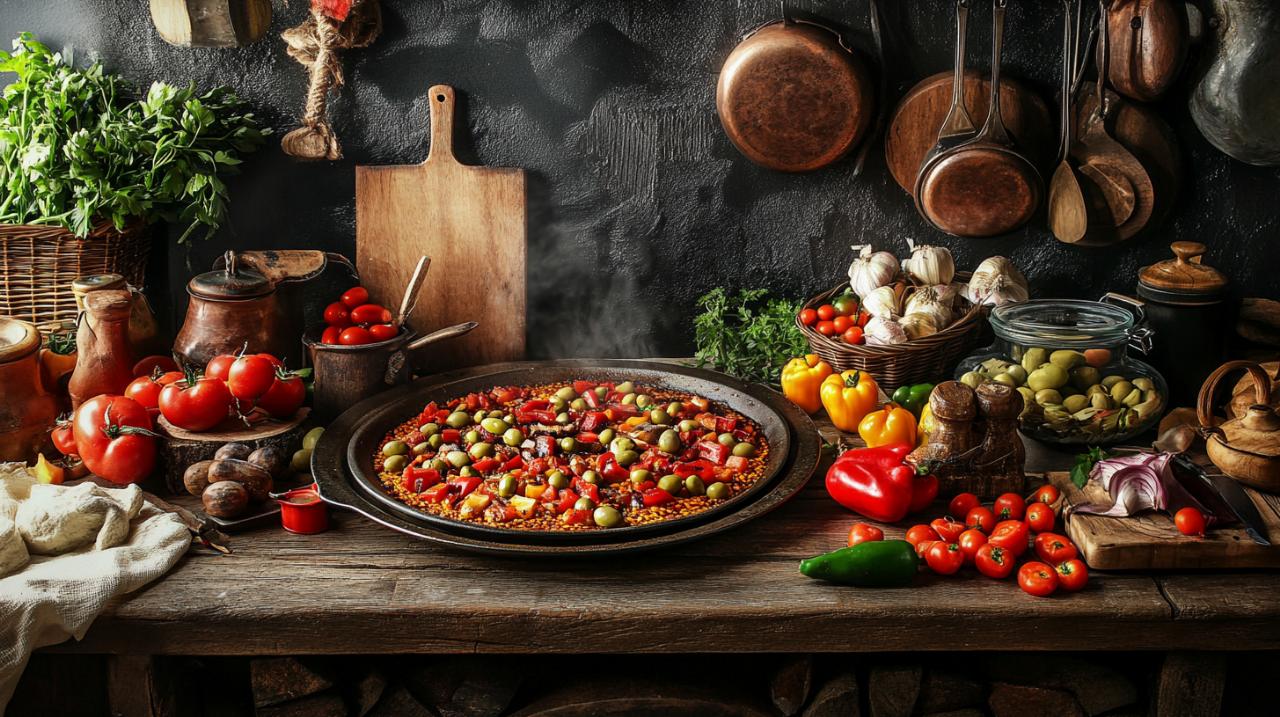
The Essential Role of Olive Oil, Saffron, and Paprika
Olive oil serves as the very essence of Spanish cooking, used not merely as a cooking medium but as a finishing touch that adds fruity complexity to completed dishes. Spain ranks among the world's largest olive oil producers, with varieties ranging from mild and buttery to robust and peppery, each suited to different culinary applications. Saffron, those precious crimson threads harvested from crocus flowers, imparts both golden colour and subtle earthiness to rice dishes, with the best Spanish saffron commanding premium prices in global markets. Paprika, or pimentón, exists in sweet, bittersweet, and hot varieties, each lending its distinctive smoky character to everything from chorizo to patatas bravas sauce. The Spanish dedication to cured ham has already been mentioned, but its importance cannot be overstated; jamón ibérico represents not just sustenance but cultural identity, served ceremoniously in paper-thin slices that dissolve on the tongue. Sea salt from Spanish coastal salt pans enhances rather than overwhelms, whilst garlic and onions form the aromatic foundation of countless preparations.
From tapas to paella: celebrating spain's iconic dishes
The concept of tapas embodies the Spanish approach to dining as a social activity, with small plates encouraging sharing and conversation. Patatas bravas exemplify this tradition, offering crispy fried potatoes dressed in spicy tomato sauce enriched with paprika, red pepper flakes, and garlic, often accompanied by creamy aioli. Croquetas present another tapas favourite, their breadcrumbed exteriors giving way to molten fillings of ham, chicken, cod, or vegetables bound in béchamel sauce. Pimientos de padrón offer culinary excitement, as most of these small green peppers prove mild when fried in olive oil and sprinkled with sea salt, though the occasional fiery specimen keeps diners alert. Albondigas, those tender meatballs crafted from beef and pork with garlic, onion, and parsley, simmer in rich sauces that invite mopping up with crusty bread.
Tortilla española represents simplicity elevated to art, its golden exterior concealing layers of tender potato and onion bound with egg. Variations incorporating chorizo, cheese, or mushrooms demonstrate regional preferences whilst maintaining the dish's essential character. Gazpacho provides refreshing relief during Andalusian summers, blending tomatoes, cucumbers, bell peppers, onion, and garlic with olive oil and vinegar into a smooth, cold soup sometimes thickened with bread. Meanwhile, paella remains Valencia's gift to world cuisine, traditionally prepared with bomba or Calasparra rice absorbing saffron-infused stock alongside chicken, rabbit, green beans, and butter beans, though seafood versions have gained widespread popularity beyond the region.
Churros con chocolate satisfies those seeking sweetness, with ridged fried dough pastries made from simple flour, water, and salt served alongside thick hot chocolate prepared from quality chocolate, milk, and sugar. Tarta de Santiago offers a more refined conclusion, this traditional almond cake made with almond flour, eggs, sugar, lemon zest, and cinnamon bearing the cross of Saint James dusted in icing sugar across its surface. These desserts, alongside the savoury classics, demonstrate the breadth of Spanish culinary achievement and the enduring appeal of preparations that have nourished and delighted generations.