
There is something deeply comforting about reaching into the freezer when time is tight and pulling out a frozen pizza that promises a quick, fuss-free meal. For years, the frozen pizza aisle was a realm of budget offerings that delivered on convenience but rarely on taste or quality. However, modern supermarket shelves have transformed, and today shoppers encounter a bewildering array of choices that span from wallet-friendly classics to gourmet creations boasting sourdough bases and artisan toppings. Navigating this selection requires a discerning eye and a willingness to consider not just price and flavour, but also ingredient quality, ethical sourcing, and even health credentials. This guide aims to help you cut through the marketing gloss and identify the frozen pizzas that genuinely deliver value, flavour, and satisfaction.
Understanding what makes a frozen pizza actually good
The frozen pizza market is no longer a one-size-fits-all affair. Shoppers today are confronted with an astonishing range of options, from budget stone-baked pies to premium sourdough offerings with gourmet toppings. Understanding what separates the truly excellent from the merely mediocre begins with recognising the crucial elements that define quality. A good frozen pizza balances convenience with genuine flavour, texture, and ingredient integrity. The Good Housekeeping Institute recently embarked on an ambitious tasting of twenty-four oven pizzas from a variety of brands and supermarkets, and their findings provide a helpful benchmark for anyone seeking guidance in this crowded category. Their rigorous assessment looked beyond mere taste, considering cooking performance, topping quality, and value for money. For those of us navigating the supermarket aisles, these insights offer a practical starting point.
The Quality Ingredients Checklist: What to Look For on the Label
When you pick up a frozen pizza and turn it over to examine the label, what you see matters immensely. The ingredient list is your window into the quality and care that went into making that pizza. Premium examples often feature real mozzarella cheese rather than a generic cheese blend, and the tomato sauce should ideally be made from quality tomatoes with minimal additives. Olive oil is another indicator of a more thoughtful product, as it suggests the manufacturer has chosen a traditional ingredient over cheaper alternatives. Salt and sugar levels are worth scrutinising as well, particularly for those mindful of health. Some brands have embraced organic certification, which can signal a commitment to higher standards in sourcing and production, though this is not always a guarantee of superior taste. Shoppers who are particularly health-conscious might consider consulting tools like the Yuka rating, which evaluates food products based on nutritional quality and the presence of additives. While frozen pizza will never be a health food, opting for versions with shorter ingredient lists, recognisable components, and fewer artificial additives can make a meaningful difference. The rise of artisan brands, available both in physical stores and through online platforms such as Ocado, reflects growing demand for transparency and quality in frozen foods.
Base Matters: Why the Right Dough Makes All the Difference
The foundation of any pizza is its base, and this is where many frozen offerings falter. A poor base can be cardboard-like, lacking the texture and flavour that makes pizza such a beloved dish. In contrast, a well-crafted base offers a pleasing chew, a hint of char or crispness, and a flavour that complements rather than competes with the toppings. Stone-baked and wood-fired pizzas have become popular descriptors on packaging, and while these terms can sometimes be marketing speak, they often indicate a more careful approach to baking that yields a better texture. Thin crust pizzas, for instance, tend to crisp up nicely in a home oven, while thicker bases can sometimes remain doughy in the centre if not cooked precisely according to the manufacturer's instructions. Sourdough bases have emerged as a premium option in recent years, and they bring a subtle tanginess and complexity that elevates the entire eating experience. The Crosta Mollica Salami Napoli Sourdough Pizza, which topped the Good Housekeeping Institute rankings with a score of eighty-seven out of one hundred, exemplifies how a superior base can transform a frozen product into something genuinely enjoyable. Priced at five pounds seventy-five pence for four hundred and thirteen grams at Ocado, it represents a higher investment but one that many testers felt was justified by the quality. Trattoria-style bases, which aim to replicate the lighter, airier texture of pizzas made in traditional Italian restaurants, are also worth seeking out for those who value authenticity. Paying attention to the type of dough used and how the pizza is described can guide you towards options that deliver a more satisfying texture and flavour.
Top frozen pizzas you'll find in british supermarkets
British supermarkets now stock an impressive variety of frozen pizzas, and the best among them have earned their place through consistent quality and thoughtful production. The testing conducted by the Good Housekeeping Institute highlighted several standout products across different categories, offering shoppers a reliable guide to what works and what does not. From classic margheritas to more adventurous toppings featuring nduja, hot honey, and artisan cheeses, the range available reflects both traditional tastes and evolving culinary trends. Understanding which products have been rigorously tested and scored highly can save you from disappointment and help you discover new favourites.
Classic margherita options: from budget-friendly to premium
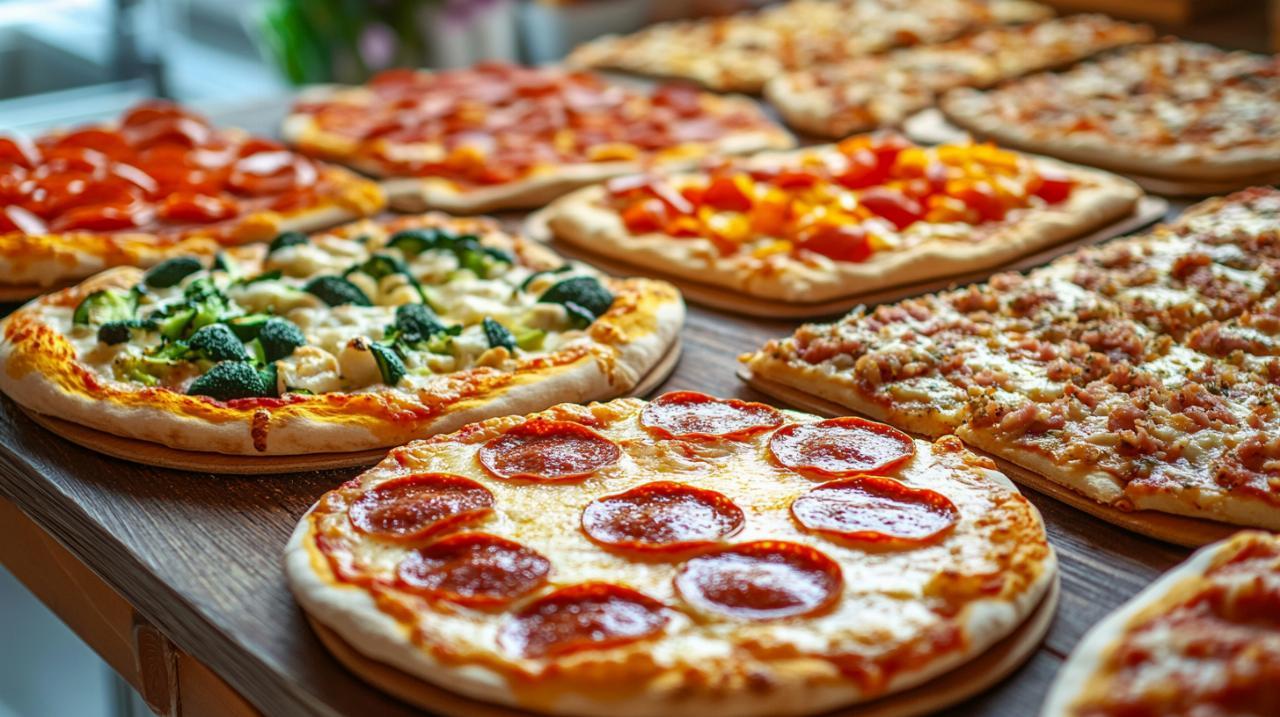
The margherita pizza remains the gold standard for assessing quality, as its simplicity leaves nowhere to hide. A good margherita relies on a balanced tomato sauce, quality mozzarella, and a flavourful base, with perhaps a hint of basil to bring everything together. In the Good Housekeeping Institute testing, two margheritas tied for the top spot, both scoring eighty-five out of one hundred. The Aldi Specially Selected Mozzarella & Sun-Dried Cherry Tomato, priced at three pounds ninety-nine pence for four hundred and eighty-five grams, offers exceptional value and demonstrates that budget does not have to mean compromise. The Pizza Express Margherita Speciale, available for six pounds at Ocado and weighing four hundred and fifty-two grams, brings the familiar flavours of the restaurant chain into your home. Both pizzas impressed testers with their balance of flavours and quality of ingredients. For those seeking an all-rounder that excels in taste and texture, the Doughboys classic margherita pizza emerged as a favourite in separate tasting sessions, costing four pounds ninety-five pence for three hundred and forty grams at Ocado. Meanwhile, the Tesco Finest margherita wood-fired pizza was praised as the best bargain, priced at four pounds seventy-five pence for four hundred and ten grams, offering excellent value per hundred grams. Other noteworthy options include the Picard margherita pizza, available for five pounds twenty-five pence for four hundred and twenty grams at Ocado, which brings a touch of French finesse to the category. At the more affordable end, the Goodfella's margherita stone baked thin, priced at two pounds eighty-eight pence for three hundred and thirty-four grams at Asda, delivers a respectable option for those on a tighter budget. Even the Lidl Chef Select stone-baked margherita pizza, available in-store only for one pound ninety-nine pence for three hundred and five grams, proves that quality can be found at rock-bottom prices.
Gourmet varieties: roasted vegetables, artisan cheeses, and trattoria-style bases
Beyond the classic margherita, the frozen pizza market now offers a dizzying array of gourmet options that would have seemed unimaginable a decade ago. Roasted vegetables, artisan cheeses, and creative flavour combinations have elevated the category, making it possible to enjoy restaurant-quality toppings from the comfort of your own kitchen. The Co-op Irresistible Vegetable Antipasti, priced at six pounds thirty-five pence for five hundred and twenty-five grams, scored eighty-two out of one hundred and was recognised as the best veg-packed pizza, offering a vibrant selection of toppings that appeal to vegetarians and anyone seeking a lighter option. For seafood enthusiasts, the Waitrose No.1 Prawn, Garlic & Chilli Pizza, costing six pounds fifty pence for four hundred and sixty-four grams, achieved a score of eighty-one out of one hundred and brings a touch of sophistication to the freezer aisle. The Doughboys Veggie Giardino Pizza, priced at four pounds twenty pence for four hundred grams at Ocado, also scored eighty-one and demonstrates how a focus on quality ingredients can create a standout product. White base pizzas, which forgo tomato sauce in favour of cream or cheese-based toppings, have gained popularity, and the Picard Goat's Cheese Honey & Walnut Pizza, available for five pounds sixty pence for four hundred grams at Ocado, scored eighty-one and offers a sweet-savoury profile that feels indulgent. For those who enjoy bold, spicy flavours, the Sainsbury's Taste the Difference Napoli Salami & Red Chilli Wood-Fired Pizza with Chilli Honey Drizzle, priced at five pounds for four hundred and sixty grams, scored seventy-nine and delivers a satisfying kick. The ASDA Extra Special Spicy Salami Spianata & Hot Honey Sourdough Pizza, costing four pounds seventy-four pence for four hundred and sixty-five grams, also scored seventy-eight and combines the richness of sourdough with the heat of hot honey. Salami and nduja have become fashionable toppings, and the Franco Manca Salami & Nduja Pizza, priced at six pounds for four hundred and fifty-two grams, scored seventy-six, while the Dr. Oetker Suprema La Calabria Salami & Nduja Sausage Sourdough Pizza, costing five pounds for four hundred and fifty-four grams, achieved seventy-four. Even more unconventional options like the Craft Pizza Classic Crust Takeaway Mac & Cheese, priced at four pounds fifty pence for four hundred and eighty-six grams and scoring seventy-four, show the creativity now on display in supermarket freezers. The Iceland Woodfired 'Nduja Hot Honey, available for just two pounds fifty pence for three hundred and eighty grams and scoring seventy-three, proves that innovation and affordability can coexist. For chicken lovers, the Morrisons Takeaway Classic Crust Garlic Chicken, priced at three pounds fifty pence for four hundred and sixty grams, scored eighty-four and was named the best chicken pizza, while the Goodfella's Stonebaked Thin Chicken Pizza, costing two pounds for three hundred and sixty-five grams at Ocado, offers a budget-friendly alternative with a score of eighty. Pepperoni remains a perennial favourite, and the Chicago Town Tiger Crust Double Pepperoni Pizza, priced at four pounds for three hundred and twenty grams, scored seventy-nine and delivers a satisfyingly cheesy, meaty experience.
Price, Health, and Ethics: Making an Informed Choice
Choosing a frozen pizza is not solely about taste and convenience. Increasingly, shoppers are weighing up the price against the quality, considering the health implications of their choices, and reflecting on the ethics and sustainability practices of the brands they support. The frozen pizza market now caters to a wide spectrum of values and priorities, and understanding these dimensions can help you make a choice that aligns with your principles as well as your palate.
Organic versus industrial: is paying more actually worth it?
Organic frozen pizzas often command a premium price, and it is fair to ask whether the extra cost translates into a tangible benefit. Organic certification guarantees that ingredients have been grown without synthetic pesticides or fertilisers, and livestock, if used, has been raised to higher welfare standards. For some shoppers, this represents peace of mind and a commitment to supporting more sustainable farming practices. However, organic does not automatically mean superior flavour or texture. Taste tests frequently reveal that well-made industrial pizzas, produced with care and quality ingredients, can rival or even surpass their organic counterparts. The key is to look beyond the label and assess each product on its merits. Price comparison is useful here, and shoppers should consider the cost per hundred grams to get a true sense of value. For instance, the Crosta Mollica margherita pizza, available for five pounds seventy-five pence for four hundred and three grams at Tesco or six pounds at Waitrose, works out to approximately one pound forty-three pence and one pound forty-nine pence per hundred grams respectively. In contrast, the Lidl Chef Select stone-baked margherita pizza, priced at one pound ninety-nine pence for three hundred and five grams, costs just sixty-five pence per hundred grams. The difference in price reflects not only the quality of ingredients but also the production methods and brand positioning. For those on a tight budget, industrial pizzas from reputable brands can still deliver a satisfying meal, while those who prioritise organic produce and are willing to pay more will find options that meet their standards.
Brand values and sustainability: which companies are getting it right?
The ethics and sustainability practices of food companies are under increasing scrutiny, and frozen pizza manufacturers are no exception. Some brands have made significant strides in reducing their environmental impact, from sourcing ingredients responsibly to minimising packaging waste and ensuring fair labour practices throughout their supply chains. For instance, companies like One Planet, which offers pizzas priced around six pounds sixty-three pence at WholefoodsBox, explicitly position themselves as environmentally conscious, though individual shoppers should verify the specifics of such claims. Brick Pizza and Crosta & Mollica, both available through specialist retailers and online platforms like Ocado, emphasise artisan production methods and quality sourcing, which can align with values around supporting smaller producers and traditional techniques. WholefoodsBox, which stocks a range of artisan frozen pizzas and offers free delivery on orders over sixty pounds, also provides special deals and discounts for newsletter subscribers, making it easier to access premium products. Payment options including Apple Pay, Google Pay, and PayPal reflect modern consumer preferences and add convenience to the shopping experience. Shoppers concerned about animal welfare should look for certifications related to cheese and meat sourcing, while those focused on reducing carbon footprints might consider the distance ingredients have travelled and the energy used in production. Transparency is key, and brands that are willing to share detailed information about their sourcing and production practices often earn greater trust and loyalty. In a market as crowded as frozen pizza, choosing brands that align with your values can feel like a small but meaningful step towards a more ethical food system. Whether you prioritise organic certification, fair trade ingredients, or simply a commitment to quality and transparency, there are options available that allow you to enjoy a convenient meal without compromising your principles.